
Introduction
As human-AI collaboration becomes increasingly prevalent in modern workplaces, the optimisation of cognitive and mental workload in Human-AI collaboration presents a critical challenge for system designers and organisations. The integration of human and artificial intelligence presents a fundamental shift in our comprehension of cognitive processing and problem-solving methodologies. This convergence of human capabilities with AI systems is transforming collaborative task management and decision-making frameworks across professional domains.
The landscape of cognitive load management has evolved beyond simple task decomposition for human understanding. A new paradigm of cognitive integration has emerged, where human creativity and instinct work in synergy with AI’s computational capabilities. This transformation extends beyond mere task delegation to AI systems, it represents a unified workspace where human and machine intelligence enhance and complete each other’s capabilities.
The integration of human-AI collaboration presents distinct operational complexities. What methods can effectively balance cognitive demands in these partnerships? How can we design systems that amplify human capabilities while maintaining optimal mental load levels? The management of mental workload in human-AI collaborative systems requires precise calibration and thoughtful design.
Understanding Cognitive and Mental workload in human-AI collaboration
Cognitive load in human-AI collaborative environments encompasses both the mental demands of task execution and the cognitive resources required for error awareness and detection (John et al., 2024). Recent studies demonstrate that increased mental workload in human-AI collaboration diminishes error detection capabilities in physical human-robot collaboration scenarios, necessitating careful consideration of cognitive resource allocation in system design (Hilmi et al., 2024).
Types of cognitive load
In cognitive environments, three primary types of load influence human performance and information processing capabilities: intrinsic load, which relates to task complexity; extraneous load, stemming from non-essential cognitive demands; and germane load, associated with schema formation and learning processes. In cognitive environments, understanding and managing these distinct types of load is essential for designing effective human-AI collaborative systems that optimise performance while minimising mental fatigue (Wienrich et al., 2024).

Intrinsic Cognitive Load
This refers to the inherent complexity of the task at hand. In human-AI collaboration, intrinsic load may be reduced as AI systems can handle complex computations or data analysis, allowing humans to focus on higher-level thinking. For example, AI systems can automate repetitive calculations, process large datasets, and identify patterns, while humans maintain oversight and apply contextual judgment to the results.
Extraneous Cognitive Load
This is the mental effort required to interact with the AI system itself. Poor interface design or unclear AI outputs can increase extraneous load, potentially hampering effective collaboration. System design should prioritise minimising extraneous load through intuitive interfaces, clear communication protocols, and transparent AI decision-making processes.
Germane Cognitive Load
This is the beneficial cognitive effort involved in learning and understanding. In human-AI partnerships, germane load might involve developing new mental models or analogies for working alongside AI or interpreting AI-generated insights. This beneficial mental effort contributes to developing expertise in human-AI collaboration and enhances long-term performance through improved understanding of AI system capabilities and limitations.
The effective management of these cognitive load types requires careful consideration of task complexity, interface design, and the dynamic allocation of responsibilities between human operators and AI systems. This well-designed system architecture must balance these cognitive load types while adapting to individual user capabilities and task requirements.
Factors influencing mental workload in human-AI collaboration
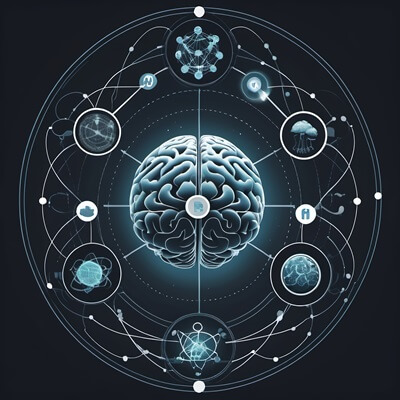
Cognitive load in human-AI interactions is influenced by several key factors that affect how users process information and engage with AI systems. These factors play a crucial role in determining the efficiency and effectiveness of human-AI collaboration, as well as the potential cognitive benefits or drawbacks for users. Understanding these influences is essential for designing AI systems that optimise cognitive synergy and enhance human capabilities rather than overwhelming or replacing them. The following sections outline these factors based on insights from recent research:
Task Complexity
The complexity of tasks assigned to users significantly impacts cognitive load. When tasks are intricate or require high levels of attention and decision-making, the cognitive burden on users increases, potentially leading to decreased performance and user experience (Zhou, 2023).
Cognitive Cost
Cognitive cost refers to the mental effort required to process information and make decisions. High cognitive costs can overwhelm users, especially when interacting with AI systems that present complex data or require intricate decision-making processes. Optimising design to lower cognitive costs is essential for enhancing user experience.
Information Presentation Order
The way information is presented affects cognitive load and user trust in AI systems. Studies indicate that the order of information presentation can influence how users perceive and interact with AI, thereby affecting their cognitive load (Karran et al., 2022). Effective information architecture can help mitigate cognitive overload.
User’s Emotional State
Emotional factors play a role in cognitive load during human-AI interactions. The emotional state of users, including stress or arousal levels, can influence their cognitive processing capabilities and overall workload when engaging with AI systems (Liu & Zhang, 2024). A well-designed human-machine interface (HMI) can help reduce emotional strain, thus lowering cognitive load.
User Experience Design
The design of user interfaces directly impacts cognitive load. Effective user experience (UX) design takes into account psychological principles to create intuitive interfaces that minimise cognitive load. This includes understanding how cognitive load forms and its effects on user experience. A user-centred design approach is crucial for optimising interactions with AI.
Trust and Familiarity with AI
The level of trust users have in AI systems can affect how they process information and manage cognitive load. Higher trust may lead to reduced cognitive effort as users feel more confident in the AI’s capabilities (Choudhury, 2022). Building a trustworthy relationship between humans and AI can alleviate some cognitive burdens.
AI’s Role in Cognitive Load Distribution
AI is rapidly emerging as a powerful tool for cognitive enhancement and load distribution, offering new ways to augment human cognitive abilities and optimise mental workload. This synergy between human intelligence and AI is reshaping how we approach complex tasks and decision-making processes.
AI as a Cognitive Enhancer
Cognitive enhancers are tools, methods (and substances) that are used to improve cognitive abilities in to help people think better and sharper. These enhancements target various aspects of cognition, specifically memory, learning, attention, creativity and motivation (Racine et al., 2021). These mental enhancers work rather like a tune-up for an individuals brain, helping it perform at its best across different mental tasks. AI technologies are demonstrating significant potential in enhancing human cognition across various domains. Some examples are shown below:
Cognitive Training and Rehabilitation
Recent developments in AI-powered cognitive training have demonstrated remarkable effectiveness in strengthening specific mental capabilities. These intelligent systems employ dynamic algorithms that create individualised exercise programmes based on each person’s cognitive profile, effectively improving memory, focus and analytical capabilities . Evidence from cognitive enhancement platforms such as Lumosity and BrainHQ demonstrates that their AI-driven, personalised approach yields better results than conventional training methods.
Brain-Computer Interfaces (BCIs)
Brain-computer interfaces enhanced with AI technology now enable direct neural communication with external devices. These systems demonstrate remarkable potential for both restoring cognitive functions in patients with neurological conditions and enhancing mental capabilities in healthy individuals (Silva, 2018). Through precise neurofeedback and neurostimulation techniques, these interfaces support neural plasticity and help restore brain function.
AI for Aging Adults
AI applications are also being developed to support aging adults by monitoring vital signs, health indicators, and cognitive functions. These technologies aim to enhance the quality of life for older adults, promoting independent living and providing necessary assistance in daily activities (Czaja & Ceruso, 2022). The cognitive support offered through these applications helps maintain cognitive health in the elderly population.
AI in Cognitive Load Distribution
Cognitive load distribution refers to the allocation and management of mental effort across different types of cognitive processes during learning or task performance. In the context of human-AI collaboration, cognitive load distribution involves strategically offloading certain cognitive tasks to AI systems to optimise human cognitive resources and enhance overall performance. AI technologies are increasingly being used to redistribute cognitive load:
Cognitive Offloading
AI systems act as cognitive support tools, extending our mental capabilities in daily work. They handle information processing and storage, allowing professionals to focus on applying insights and making strategic decisions. This shift in knowledge work enables more efficient use of mental resources by redistributing cognitive load to AI (Grinschgl & Neubauer, 2022).
Task Complexity Management
AI systems excel at handling complex computations and data analysis, which reduces the mental strain on humans. This shift allows people to concentrate on higher-level thinking and decision-making. By redistributing cognitive tasks between humans and AI, we can achieve more efficient problem-solving and foster innovation.
Adaptive Interfaces
Modern AI interfaces can intelligently adapt to match each user’s mental state and abilities, making information easier to process and interact with. By fine-tuning how content is presented based on individual cognitive capacity, these systems help maintain smooth and productive collaboration between humans and AI across different situations and tasks.
Potential pitfalls of AI-assisted cognition
Over-Reliance on AI
The integration of AI into cognitive tasks presents a double-edged sword. While these technologies offer powerful support for mental processes, excessive reliance on readily available AI tools may weaken our natural cognitive abilities and learning capacity. When users habitually delegate their thinking tasks to AI systems, they risk losing the opportunity to develop deeper understanding through direct engagement with the material (Grinschgl & Neubauer, 2022).
Risks to Cognitive Abilities
While cognitive offloading through AI can enhance immediate task completion, we must weigh these advantages against their effects on human cognitive development. When people rely too heavily on AI assistance, they may miss opportunities to strengthen their own critical thinking and problem-solving abilities. This trade-off between convenience and cognitive growth demands thoughtful consideration when implementing AI tools in both educational and workplace environments.

Trust and Acceptance Issues
The effectiveness of AI systems largely depends on how much users trust them as tools for sharing mental tasks. Studies show that individual personality characteristics shape how much someone will trust and use AI for cognitive support (Du et al., 2021). When users have limited trust in these systems, they may be less willing to adopt AI tools for cognitive tasks, which reduces the potential advantages these technologies can offer.
Strategies for Effective Cognitive Load Distribution
Recent research offers valuable strategies for balancing mental workload in human-AI collaboration. These approaches focus on fine-tuning interactions between operators and artificial intelligence to deliver better outcomes whilst keeping cognitive demands in check.
Understanding Cognitive Load
As described before, when humans and AI systems work together, the mental demands of processing information and completing tasks can become substantial. Acknowledging that this relationship exists, understanding the types of cognitive load and strategically deciding that it must be carefully balanced is a key strategy for effectively managing the potential mental fatigue or stresses within the Human-AI relationship.
Training and Familiarisation
Research indicates that training significantly improves performance in hybrid systems involving human operators and AI assistance. Well-trained users make fewer errors and complete tasks more efficiently, highlighting the importance of adequate training to mitigate cognitive load (Ameen et al., 2024). This suggests that structured training programs can enhance user confidence and trust in AI systems, which in turn can lead to better cognitive load management.

Task Allocation and Role Distribution
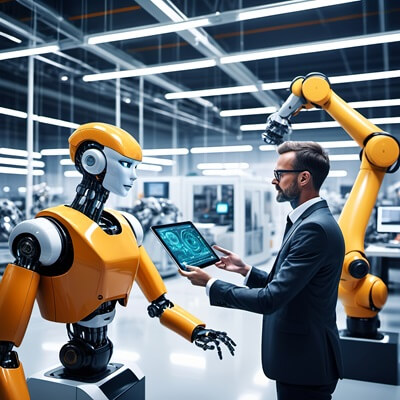
The distribution of tasks between humans and AI should be strategically planned to optimise cognitive load. For instance, AI can handle data-intensive tasks or provide decision support, allowing humans to focus on higher-level strategic thinking. This division of labour can reduce cognitive strain on human operators. Research shows that when tasks are divided in this way, people complete their work more quickly and accurately while maintaining low error rates.
Enhancing Communication Quality
Improving communication quality between human operators and AI is vital for effective collaboration. Research suggests that positive team perceptions can enhance communication quality, which is crucial when task load increases. By fostering a supportive communication environment, teams can better manage cognitive demands during high-stress situations.
Addressing Cognitive Biases
When humans work with AI systems, their judgement can be swayed by cognitive biases, particularly anchoring bias, where initial information disproportionately influences decisions. To improve the quality of human-AI collaboration, techniques such as timed breaks from reference points help reduce these mental shortcuts (Rastogi et al., 2022). Understanding and managing these cognitive biases is vital for properly distributing mental workload in human-AI collaboration, allowing people to evaluate AI recommendations more effectively.
Monitoring Cognitive Workload
Live monitoring of cognitive workload enables dynamic adjustments in human-AI collaboration. This can be done to manually ensure correct task allocation through thresholds and tolerances or automatically to allow systems to self adjust. For example, a vision-based system can track eye movements and physical gestures to guide task distribution and robot behaviour (Lagomarsino et al., 2023). This continuous assessment of human operators’ mental states allows the system to fine-tune itself, maintaining peak efficiency and performance.

Conclusion
The optimisation of cognitive load in human-AI collaborative environments represents a critical frontier in ensuring sustained and effective AI evolution. As we continue to refine these partnerships, the careful balance of mental workload in human-AI collaboration becomes paramount for sustained success. Through thoughtful implementation of cognitive load distribution strategies, proper training programmes and adaptive interfaces, environments can be created where human creativity and AI capabilities genuinely complement each other. The key lies not in maximising AI usage, but in cultivating a symbiotic relationship that enhances human cognitive abilities whilst preventing over-reliance on artificial systems. As we move forward, the focus must remain on developing frameworks that support this delicate balance, ensuring that human-AI collaboration serves as a genuine cognitive enhancement rather than a replacement for human intellectual growth. By maintaining this perspective, we can work towards collaborative environments that truly augment human potential whilst preserving our essential cognitive capabilities.
References
Understanding Cognitive and Mental workload in human-AI collaboration
John, A. R., Singh, A. K., Gramann, K., Liu, D., & Lin, C.-T. (2024). Prediction of cognitive conflict during unexpected robot behavior under different mental workload conditions in a physical human–robot collaboration. In Journal of Neural Engineering (Vol. 21, Issue 2, p. 026010). IOP Publishing. https://doi.org/10.1088/1741-2552/ad2494
Hilmi, A. H., Abdul Hamid, A. R., & Wan Ibrahim, W. A. R. A. (2024). Advancements in Cognitive Ergonomics: Integration with Human-Robot Collaboration, Workload Management, and Industrial Applications. In Malaysian Journal of Ergonomics (MJEr) (Vol. 6, pp. 39–51). Penerbit Universiti Malaysia Perlis. https://doi.org/10.58915/mjer.v6.2024.1368
Wienrich, C., Latoschik, M. E., & Obremski, D. (2024). Gender Differences and Social Design in Human-AI Collaboration: Insights from Virtual Cobot Interactions Under Varying Task Loads. In Extended Abstracts of the CHI Conference on Human Factors in Computing Systems (pp. 1–8). ACM. https://doi.org/10.1145/3613905.3650827
Zhou, W. (2023). Application Research of Cognitive Load Theory in User Experience DesignTake the User Experience Design of Takeaway Deliverymen in Unmanned Distribution Business as an Example. In Lecture Notes in Education Psychology and Public Media (Vol. 3, Issue 1, pp. 722–732). EWA Publishing. https://doi.org/10.54254/2753-7048/3/2022299
Karran, A. J., Demazure, T., Hudon, A., Senecal, S., & Léger, P.-M. (2022). Designing for Confidence: The Impact of Visualizing Artificial Intelligence Decisions. In Frontiers in Neuroscience (Vol. 16). Frontiers Media SA. https://doi.org/10.3389/fnins.2022.883385
Liu, Z., & Zhang, J. (2024). Exploring factors in Human Cognition that affect Human Performance during Takeover in Autonomous Driving. In Highlights in Science, Engineering and Technology (Vol. 85, pp. 1182–1193). Darcy & Roy Press Co. Ltd. https://doi.org/10.54097/tr5g0e77
Choudhury, A. (2022). Toward an Ecologically Valid Conceptual Framework for the Use of Artificial Intelligence in Clinical Settings: Need for Systems Thinking, Accountability, Decision-making, Trust, and Patient Safety Considerations in Safeguarding the Technology and Clinicians. In JMIR Human Factors (Vol. 9, Issue 2, p. e35421). JMIR Publications Inc. https://doi.org/10.2196/35421
AI’s Role in Cognitive Load Distribution
Racine, E., Sattler, S., & Boehlen, W. (2021). Cognitive Enhancement: Unanswered Questions About Human Psychology and Social Behavior. In Science and Engineering Ethics (Vol. 27, Issue 2). Springer Science and Business Media LLC. https://doi.org/10.1007/s11948-021-00294-w
Silva, G. A. (2018). A New Frontier: The Convergence of Nanotechnology, Brain Machine Interfaces, and Artificial Intelligence. In Frontiers in Neuroscience (Vol. 12). Frontiers Media SA. https://doi.org/10.3389/fnins.2018.00843
Czaja, S. J., & Ceruso, M. (2022). The Promise of Artificial Intelligence in Supporting an Aging Population. In Journal of Cognitive Engineering and Decision Making (Vol. 16, Issue 4, pp. 182–193). SAGE Publications. https://doi.org/10.1177/15553434221129914
Strategies for Effective Cognitive Load Distribution
Grinschgl, S., & Neubauer, A. C. (2022). Supporting Cognition With Modern Technology: Distributed Cognition Today and in an AI-Enhanced Future. In Frontiers in Artificial Intelligence (Vol. 5). Frontiers Media SA. https://doi.org/10.3389/frai.2022.908261
Du, X., Zhao, X., Wu, C.-H., & Feng, K. (2021). Functionality, Emotion, and Acceptance of Artificial Intelligence Virtual Assistants. In Journal of Global Information Management (Vol. 30, Issue 7, pp. 1–21). IGI Global. https://doi.org/10.4018/jgim.290418
Ameen, M., Stone, R., Genschel, U., & Mgaedeh, F. (2024). Hybrid Security Systems: Human and Automated Surveillance Approaches. In International Journal of Advanced Computer Science and Applications (Vol. 15, Issue 7). The Science and Information Organization. https://doi.org/10.14569/ijacsa.2024.0150707
Lagomarsino, M., Lorenzini, M., Balatti, P., Momi, E. D., & Ajoudani, A. (2023). Pick the Right Co-Worker: Online Assessment of Cognitive Ergonomics in Human–Robot Collaborative Assembly. In IEEE Transactions on Cognitive and Developmental Systems (Vol. 15, Issue 4, pp. 1928–1937). Institute of Electrical and Electronics Engineers (IEEE). https://doi.org/10.1109/tcds.2022.3182811
Rastogi, C., Zhang, Y., Wei, D., Varshney, K. R., Dhurandhar, A., & Tomsett, R. (2022). Deciding Fast and Slow: The Role of Cognitive Biases in AI-assisted Decision-making. In Proceedings of the ACM on Human-Computer Interaction (Vol. 6, Issue CSCW1, pp. 1–22). Association for Computing Machinery (ACM). https://doi.org/10.1145/3512930